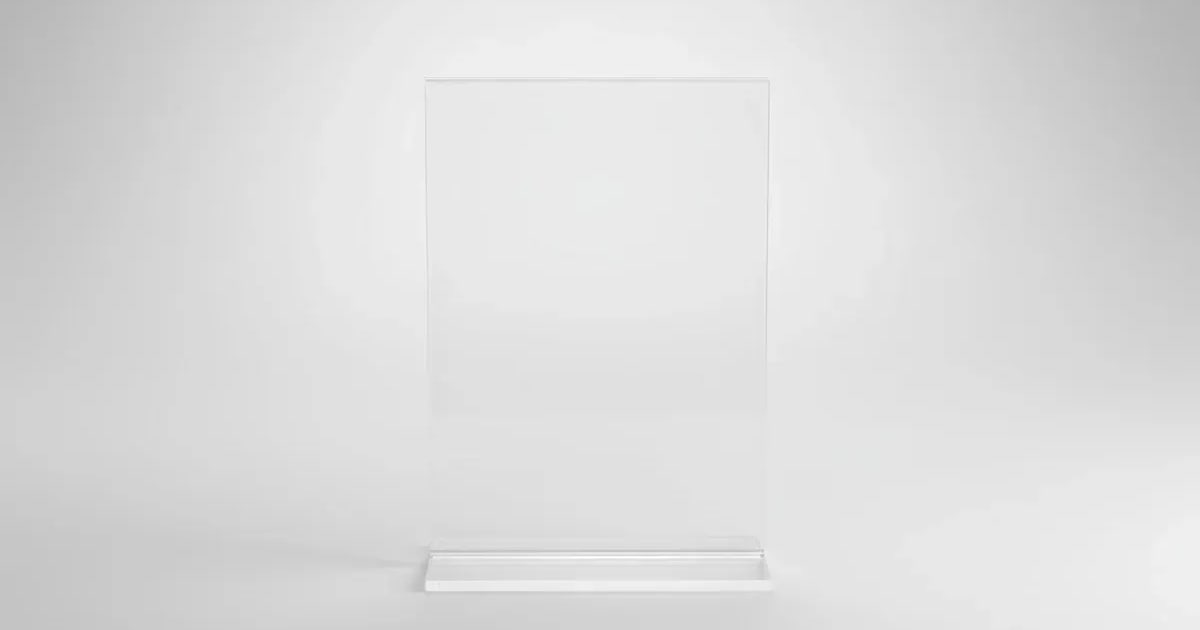
Acrylic laser cutting Atlanta: thicknesses, colors and edges
Acrylic laser cutting in Atlanta starts with three choices: cast or extruded stock, the right thickness for the job and a clean DXF or SVG file. At FSH Labs in Mableton we cut clear cast acrylic from .063 in to .500 in, plus colored and mirror acrylic, and the online price is instant once your file is uploaded. What follows is the advice we give buyers before they order.
Key takeaways
- Cast acrylic is the safer choice for clear signs and displays, especially when the edge will be visible.
- Use .118 in as the everyday thickness for small signs and displays, then step up to .177 in or .214 in for larger or handled pieces.
- The laser edge on acrylic is glossy and smooth, often called flame-polished.
- Send a DXF or SVG at full scale with closed cut paths and text converted to outlines.
- Instant pricing is available from your file at the laser cutting page, with a $25 order minimum and no setup fee.
- Standard orders take 2 to 3 business days; next business day rush is 50% more.
Cast or extruded acrylic: which should I order?
Cast acrylic is made by pouring a liquid acrylic mix into a mold or between plates. Extruded acrylic is pushed through a die. For laser work, cast acrylic is generally the better choice for engraved signs and displays because it frosts evenly and is less prone to stress. Extruded acrylic can be cheaper and more consistent in thickness, but it can cut with a sharper edge and may be more prone to stress or color variation.
The clear acrylic we cut is cast, and you can see the thickness options on the clear acrylic page. If your design depends on the exact look of an existing acrylic piece, mention that before ordering so the stock can be discussed.
What thickness should I use for signs, parts and displays?
For small indoor signs, labels and table displays, .063 in or .118 in is usually enough. The .118 in sheet is the workhorse for office signs, church event signs and small display pieces. It cuts cleanly, engraves well and is less fragile than very thin stock.
Step up to .177 in or .214 in when the piece is larger, will be handled often or needs to stand in a base without flexing. These thicknesses are a good middle ground for wedding signs, menu boards, donor boards and display panels.
Use .375 in or .500 in for parts that carry a load, act as a base or need a substantial edge. Acrylic parts, jigs, fixtures and maintenance tags often fall into this range. Very thin .063 in stock is best for flat overlays and shims that are supported by another surface.
Keep the shop limits in mind. Parts can be up to 23.2 x 11.6 in, and the shortest side should be at least 1/4 in. If your sign or display is bigger than that, plan a seam or a different material before you upload the file.
What do laser-cut acrylic edges look like?
A CO2 laser cuts acrylic by melting a narrow line. The result is a glossy, smooth edge that is usually called flame-polished. On clear acrylic the edge can look almost transparent and may show a faint amber tint on thicker cuts. Colored acrylic usually shows a clean edge in the same color, while mirror acrylic can show a bright reflective edge depending on the cut direction.
The edge is not razor sharp, but it can be crisp, so handle stacked parts with care. If the edge finish is critical, say so before production so the cut can be checked against your sample.
Can I order mirror and colored acrylic?
Yes. Mirror acrylic is available in .118 in. It has a reflective face and usually arrives with a protective film, so plan which side will face out and leave the film on until the part is installed. Colored acrylic comes in black, white, red, blue, green and yellow at .118 in. These sheets are useful for signs, name tags, awards, display accents and decorative panels.
Mirror and colored acrylic show fingerprints and scratches more than clear stock, so ask about the sample-first option when the finish matters. You can see the mirror option at the mirror acrylic page.
How should I set up a DXF or SVG file?
Draw at 1:1 scale. Note inches or millimeters in the file name or tell us when you order so there is no guesswork. Use closed paths for every cut line. Open paths can cut as a line but will not create a clean part boundary. Put cut lines and engrave lines on separate layers or use distinct colors, and label them clearly. Convert text to outlines so fonts do not change on another computer. Remove duplicate, overlapping and stray lines.
Check that the smallest feature is at least 1/4 in on its short side and that the whole part fits within 23.2 x 11.6 in. Upload the DXF or SVG at the laser cutting page to see the price instantly. If the file is messy, fix it first. A clean file gives a more reliable price and a better cut.
How fast can I get acrylic parts in metro Atlanta?
Standard acrylic cutting orders are ready in 2 to 3 business days. If you need it sooner, next business day rush is available for 50% more. Free pickup in metro Atlanta is by arrangement at a meeting spot, and orders can ship anywhere in the US. The shop is open Monday to Saturday, 9 am to 3 pm Eastern.
For a larger run, the sample-first option lets you pay for one part and take its price off the larger order. That is useful when you need to check thickness, color or edge before committing to the full quantity.
Ordering from FSH Labs
Start with the acrylic cutting service. Upload your DXF or SVG at the laser cutting page for an instant price and to place the order. If you need help with cast versus extruded stock, thickness, mirror acrylic or edge finish, call 678-210-6694 or email chaz@fshlabs.com during business hours. For more on how material and geometry affect cost, read what drives the price. The next step is your file and your deadline.
FAQ
- Cast or extruded acrylic: which is better for laser cutting?
- Cast acrylic is the safer default for engraved signs and displays because it engraves evenly and is less prone to stress. Extruded acrylic can be cheaper and more uniform in thickness, but it can cut with a different edge and may be more prone to stress. The clear acrylic we cut is cast.
- What thickness should I use for an acrylic sign?
- For a small indoor sign, .118 in is usually enough. Go to .177 in or .214 in for a larger sign, a sign that will be handled often or one that needs to stand in a base.
- Does laser cutting leave a polished edge on acrylic?
- Yes. A CO2 laser melts a narrow line as it cuts, so acrylic usually comes off the machine with a glossy, flame-polished edge. Clear acrylic may show a slight amber tint on thicker cuts.
- Can you cut mirror acrylic and colored acrylic?
- Yes. Mirror acrylic is available in .118 in, and black, white, red, blue, green and yellow acrylic are also .118 in. These are good for signs, tags and display accents.
- What file should I send for an instant acrylic cutting price?
- Send a DXF or SVG at 1:1 scale with units noted and closed cut paths. Convert text to outlines and remove duplicate lines so the price and the cut match your design.
- How fast is rush acrylic cutting in metro Atlanta?
- Standard orders are ready in 2 to 3 business days. Next business day rush is available for 50% more, and free pickup in metro Atlanta is by arrangement at a meeting spot.